
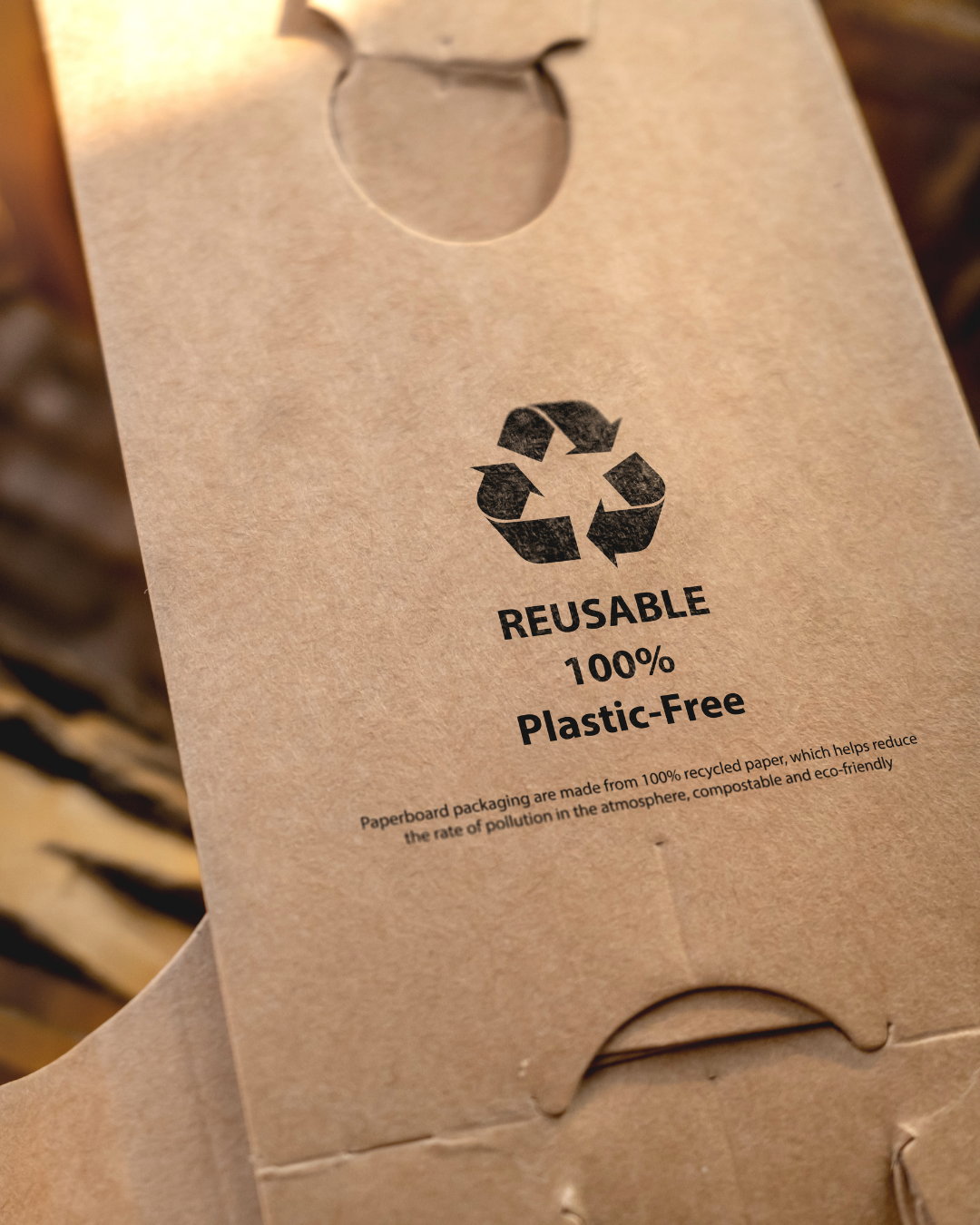
Packaging & Packaging Waste
Regulation (PPWR)
-
The Packaging and Packaging Waste Regulation (PPWR) is the EU’s new legal framework for reducing packaging waste and making packaging more sustainable, recyclable and reusable across its entire life cycle.
The PPWR replaces the previous Packaging and Packaging Waste Directive and establishes harmonised requirements for packaging placed on the EU market, regardless of the material used. It covers the design, composition, use, reuse, recycling and disposal of packaging and aims to reduce the environmental and health impacts associated with packaging and packaging waste.
The Regulation was adopted on 19 December 2024, published on 22 January 2025 and entered into force on 11 February 2025. It applies from 12 August 2026, although a number of specific requirements will only take effect later, including through implementing and delegated acts.
The PPWR is part of the EU’s transition towards a circular economy and climate neutrality by 2050. It aims to reduce unnecessary packaging, increase reuse and recycling, improve packaging information and harmonise requirements across the EU Single Market.
-
Prevent and reduce packaging waste
The PPWR aims to reduce the amount of packaging placed on the EU market and prevent unnecessary packaging. It introduces requirements to reduce packaging volume and weight and to limit unnecessary empty space, particularly in transport and e-commerce packaging.Improve packaging recyclability
Packaging placed on the EU market will increasingly need to meet design-for-recycling requirements. The Regulation aims for all packaging to be recyclable by 2030, with more demanding requirements applying progressively thereafter.Increase recycled content in plastic packaging
The Regulation introduces mandatory minimum levels of recycled content in plastic packaging, with targets increasing towards 2030 and 2040. This is intended to increase demand for recycled materials and reduce reliance on virgin plastics.Promote reuse and refill
The PPWR establishes targets and requirements to increase the use of reusable packaging and refill systems. Certain sectors, including food and beverage distribution, will have specific reuse obligations.Improve packaging labelling and consumer information
Harmonised labels and symbols will make it easier for consumers to identify packaging materials, understand how packaging should be sorted and distinguish reusable packaging and deposit-return systems.
Restrict unnecessary single-use packaging
From 2030, certain formats of single-use packaging will be restricted or prohibited where suitable reusable alternatives are available. Examples include certain small single-use formats used for food, beverages and hospitality.Reduce harmful substances in packaging
The Regulation introduces restrictions on substances of concern in packaging. In particular, certain PFAS substances in food-contact packaging are restricted because of their environmental and health concerns.Strengthen extended producer responsibility
Producers will increasingly bear responsibility for the environmental impact and end-of-life management of the packaging they place on the market, including through financial contributions under extended producer responsibility schemes.Harmonise the EU Single Market
By replacing the previous Directive with a directly applicable Regulation, the PPWR aims to create more consistent packaging rules across Member States, reducing fragmentation and helping businesses operate under a common EU framework.Support a circular and competitive economy
The Regulation is intended to stimulate innovation in sustainable packaging, recycling, reuse and resource efficiency while reducing the environmental costs associated with packaging waste. -
The PPWR has a very broad scope and applies to packaging regardless of the material from which it is made.
What it covers
The Regulation applies to:
All packaging placed on the EU market, regardless of whether it is made from plastic, paper and cardboard, glass, metal, wood or composite materials.
All packaging formats, including sales packaging, grouped packaging and transport packaging.
Packaging used in industry, manufacturing, retail, distribution, offices, services and households.
Packaging waste, regardless of where that waste originates.
Packaging used for products sold to consumers as well as packaging used between businesses.
The Regulation therefore affects a broad range of economic operators, including manufacturers, importers, distributors, fulfilment providers, retailers and other businesses placing packaged products on the EU market.
Key areas regulated
The PPWR introduces requirements covering several stages of the packaging life cycle, including:
Packaging design and composition
Minimisation of packaging weight and volume
Recyclability and design for recycling
Minimum recycled content in plastic packaging
Reuse and refill systems
Restrictions on certain single-use packaging
Packaging labelling and consumer information
Deposit and return systems
Substances of concern, including PFAS in food-contact packaging
Extended Producer Responsibility (EPR)
Packaging waste prevention and collection
Recyclability
One of the most significant changes is the move towards design-for-recycling requirements.
All packaging is intended to be recyclable by 2030, with detailed criteria being established through secondary legislation. From 2035, packaging will also need to be recyclable at scale, meaning that appropriate collection, sorting and recycling infrastructure must exist for the relevant packaging formats.
Reuse and refillThe PPWR introduces specific reuse targets for certain packaging categories.
For example, by 2030, at least 10% of grouped packaging must be reusable, with an aspirational target of 25% by 2040. Beverage distributors will also face specific reuse targets, increasing from 10% in 2030 to 40% in 2040, subject to the Regulation's conditions and exemptions.
E-commerce and transport packaging
The Regulation also addresses unnecessary empty space in packaging used for e-commerce, grouped packaging and transport packaging. The aim is to reduce packaging material and improve transport efficiency.
Exemptions and proportionality
The PPWR contains a number of exemptions, derogations and specific provisions for certain sectors, packaging formats and economic operators. Microenterprises and certain smaller operators may benefit from specific exemptions or simplified requirements in particular areas.
The detailed application can also depend on implementing and delegated acts adopted by the European Commission.
-
19 December 2024 – Regulation adopted
The European Parliament and Council formally adopted Regulation (EU) 2025/40 on packaging and packaging waste.
22 January 2025 – Publication
The PPWR was published in the Official Journal of the European Union as Regulation (EU) 2025/40.
11 February 2025 – Entry into force
The PPWR entered into force 20 days after publication.
12 August 2026 – Regulation starts applying
The PPWR becomes applicable across the EU. Businesses placing packaging on the EU market must comply with the provisions that apply from this date.
However, many detailed requirements have later application dates or depend on implementing and delegated legislation.
31 December 2026 – Recycled content methodologiesThe Commission is due to establish methodologies for calculating and verifying recycled content, together with related rules for recycling technologies and equivalence of recycled-content rules in third countries.
2027 – Reuse and reporting measures
A number of implementing and delegated acts related to reuse targets, calculations and reporting are scheduled for adoption during 2027. This includes methodologies for calculating reuse performance and minimum rotations for reusable packaging.
1 January 2028 – Design-for-recycling criteria
Detailed delegated acts establishing design-for-recycling criteria are scheduled to apply from 2028. These criteria will determine whether packaging meets the technical requirements for recyclability.
2030 – Major PPWR milestone
A number of major requirements become applicable around 2030, including:
All packaging must meet the applicable recyclability requirements.
Minimum recycled-content requirements for plastic packaging apply.
Certain single-use packaging formats are prohibited or restricted where reusable alternatives are available.
Reuse targets for specific packaging categories apply.
Additional requirements related to recycling at scale and packaging design come into play.
The exact requirements and dates differ by packaging type.
2035 – Recyclability at scalePackaging will increasingly need to demonstrate not only that it is technically recyclable, but that it can be recycled at scale through appropriate collection, sorting and recycling systems.
2040 – Longer-term targets
The Regulation introduces more ambitious longer-term targets, including increased recycled-content and reuse objectives. For example, the aspirational target for certain grouped reusable packaging rises to 25% by 2040, while specific beverage reuse targets increase to 40%.