

Sustainability legislation
EU Sustainability Legislation: What You Need to Know
Sustainability is no longer a choice - it is a strategic and regulatory imperative. Across the European Union, a growing body of legislation is shaping how businesses operate, report, and innovate toward a greener, more responsible future. From overarching climate goals to industry-specific directives, the EU is setting clear expectations for organizations to reduce their environmental impact and promote circular practices.
For the IT sector, this transition carries both challenges and opportunities. Whether it is regulations on eco-design for electronics, obligations around supply chain transparency, or new reporting standards for digital operations, the role of IT in driving sustainable business is becoming central.
On this page, you will find an up-to-date overview of key EU sustainability regulations and directives - both general and IT-specific - that are relevant for manufacturers, service providers, and other stakeholders in the digital value chain.
Stay informed. Stay compliant. Stay future-ready.

Ecodesign for Sustainable Products Regulation (ESPR)
The Ecodesign for Sustainable Products Regulation (ESPR) is the EU’s new framework regulation to make sustainable products the norm, replacing the Ecodesign Directive and extending its scope far beyond energy-related goods.
Corporate Sustainability Reporting Directive (CSRD)
The Corporate Sustainability Reporting Directive (CSRD) is a European Union directive that overhauls and expands corporate sustainability disclosure requirements. Adopted in 2022 and in force since January 2023, it replaced the earlier Non-Financial Reporting Directive (NFRD) and established a comprehensive framework for environmental, social, and governance (ESG) reporting.


Corporate Sustainability Due Diligence Directive (CSDDD)
The Corporate Sustainability Due Diligence Directive (CSDDD) is a European Union directive aimed at fostering sustainable and responsible corporate behaviour. Adopted in 2024 and in force since July 2024, it requires companies within its scope to identify and address adverse human rights and environmental impacts within their own operations, those of their subsidiaries and across relevant parts of their chains of activities.
The EU “Omnibus” Regulation
The EU “Omnibus” package refers to a series of legislative initiatives launched by the European Commission in 2025 to simplify and streamline EU rules, particularly in the areas of sustainability reporting, corporate due diligence, sustainable finance and carbon-border measures.


Right to Repair Directive
The Right to Repair Directive (Directive (EU) 2024/1799) establishes common EU rules to promote the repair of consumer goods and discourage premature disposal. It aims to extend product lifespans, reduce waste and support the circular economy as part of the European Green Deal’s sustainable consumption goals.
Green Claims Directive
The Green Claims Directive is a proposed EU law aimed at preventing greenwashing by requiring companies to substantiate and communicate explicit environmental claims made to consumers in a clear, reliable and evidence-based way.
The proposal would establish common EU requirements for voluntary environmental claims and environmental labelling schemes, including requirements for substantiation, communication and verification.
Status: Proposal – legislative process currently blocked
The European Commission announced its intention to withdraw the Green Claims Directive proposal in June 2025, but the proposal has not formally been withdrawn. There is currently no implementation deadline.

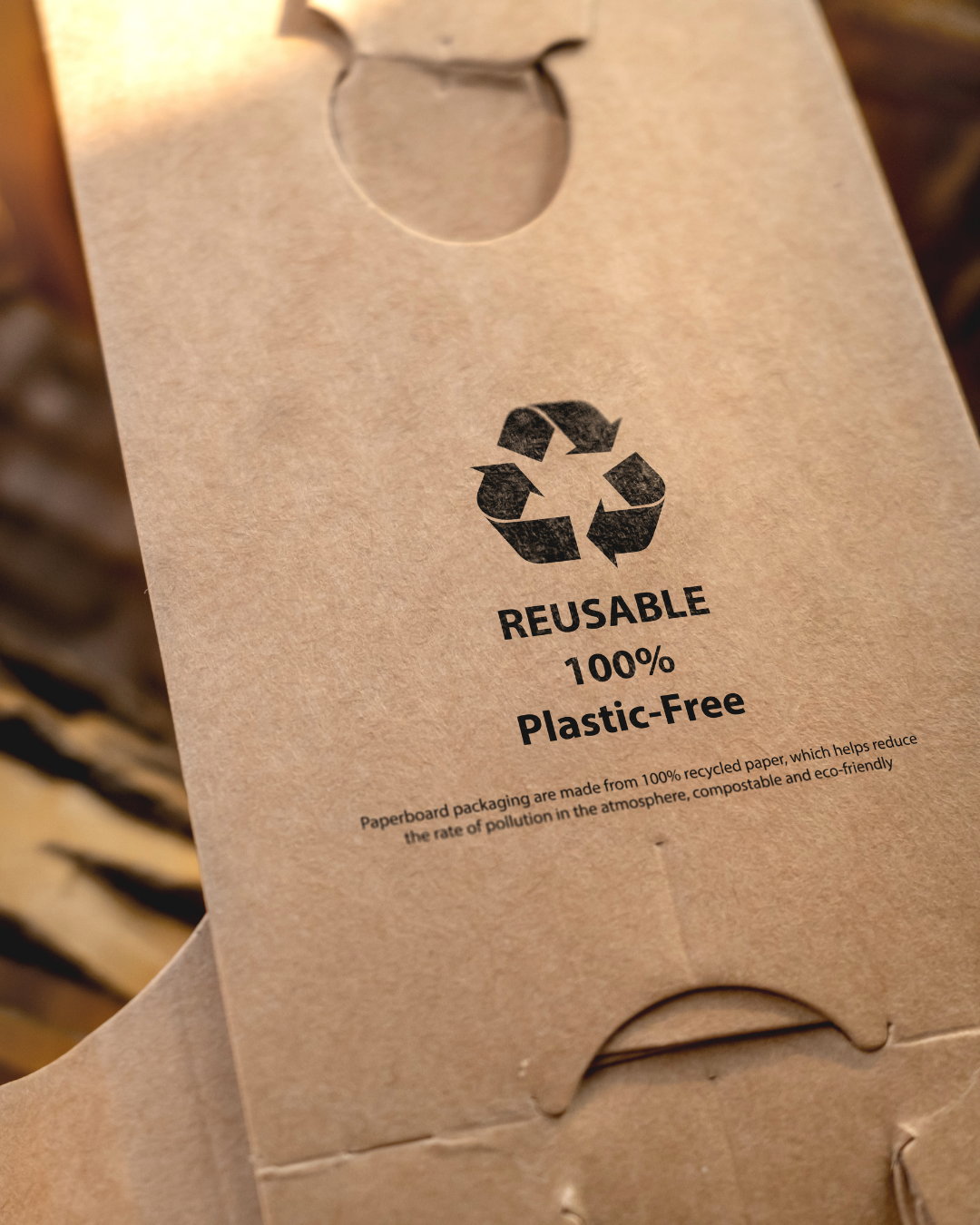
Packaging & Packaging Waste Regulation
he Packaging and Packaging Waste Regulation (PPWR) is the EU’s new legal framework for reducing packaging waste and making packaging more sustainable, recyclable and reusable across its entire life cycle.